
Introduction
Have you recently purchased a diesel vehicle only to discover that the AdBlue system has been deleted, disabled, or bypassed by a previous owner? You are not alone. This is becoming an increasingly common issue in the used vehicle market, leaving unsuspecting buyers facing warning lights, MOT concerns, insurance complications, and potentially costly repairs.
In this guide, we will explain why AdBlue systems are removed, the risks of driving a vehicle with a bypassed SCR system, and why professional AdBlue system reactivation is often the safest and most cost effective solution. Further, you will also learn how to identify a deleted AdBlue system, what the reactivation process involves, and why restoring the original system can be a better long term option than continuing with an undisclosed software modification.
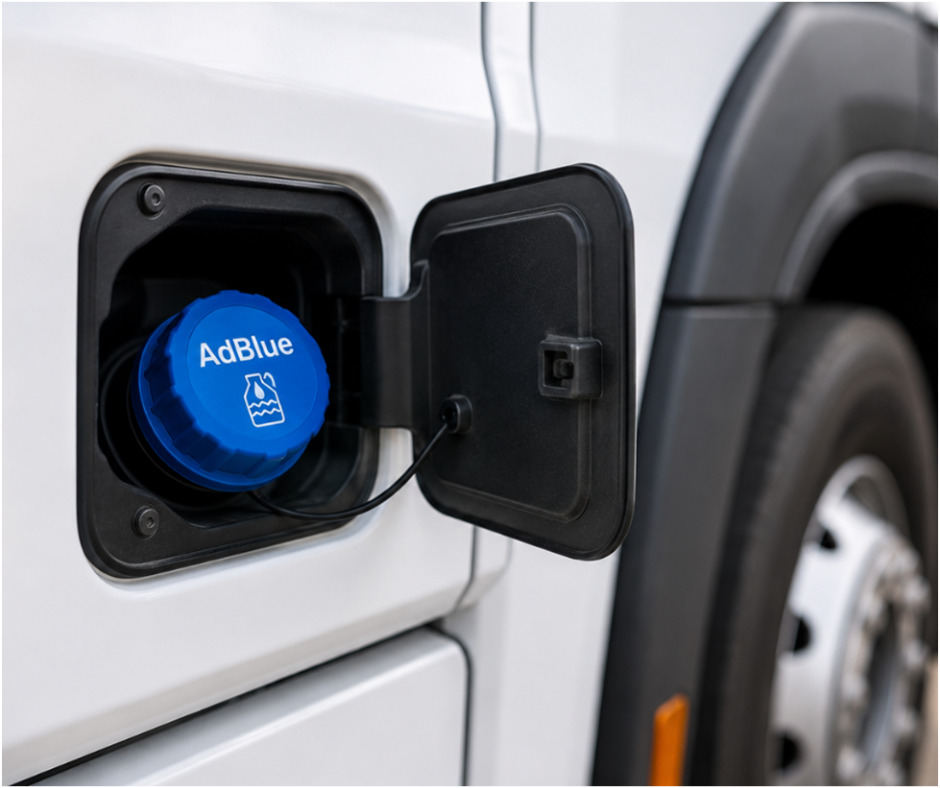
What Is an AdBlue System?
AdBlue is a diesel exhaust fluid used in vehicles equipped with Selective Catalytic Reduction (SCR) technology. The system injects AdBlue into the exhaust stream, helping to reduce harmful nitrogen oxide (NOx) emissions and allowing the vehicle to comply with modern emissions regulations.
Most Euro 6 diesel vehicles use AdBlue technology, including:
- Volkswagen
- Audi
- BMW
- Mercedes-Benz
- Ford
- Peugeot
- Citroën
- Vauxhall
- Land Rover
- Jaguar
When operating correctly, the AdBlue system works alongside the vehicle's engine management and emissions systems to help reduce NOx emissions while supporting proper vehicle operation.
Why Are AdBlue Systems Deleted or Bypassed?
Some owners choose to remove or bypass an AdBlue system after developing a fault. Common reasons include:
- Failed NOx sensors
- AdBlue injector faults
- DEF pump failures
- Tank heater issues
- Wiring and communication faults
- High repair costs
Rather than repairing the system correctly, some individuals install software modifications designed to disable AdBlue related warnings and prevent engine derate or non start conditions.Unfortunately, these modifications are often not disclosed when the vehicle is sold. This can leave a new owner with a diesel vehicle that appears to operate normally but no longer has its original emissions control functionality.
How Do Buyers Discover the AdBlue System Has Been Removed?
Many vehicle owners only discover the problem after purchase when:
- The vehicle fails an inspection
- Diagnostic scans reveal missing emissions functionality
- Warning lights appear after software updates
- An MOT tester identifies emissions related concerns
- A dealership refuses warranty work due to ECU modifications
- The AdBlue tank remains empty without triggering warnings
In some cases, owners may not realise that the system has been disabled until a specialist carries out a comprehensive diagnostic assessment. A vehicle can appear to drive normally while important software functions have already been changed.
Signs Your Vehicle May Have an AdBlue Delete
If you've recently bought a diesel vehicle, look out for the following signs:
1. No AdBlue Consumption
If the vehicle never requires AdBlue top ups despite significant mileage, this may indicate that the system is inactive or has been modified.
2. Missing AdBlue Warnings
Most vehicles generate warnings when AdBlue levels become low. If these warnings never appear, the system may have been modified or disabled.
3. Diagnostic Faults
A professional diagnostic scan can reveal:
- Missing ECU coding
- Software modifications
- Disabled SCR functions
- Communication faults with emissions modules
4. Unusual MOT or Emissions Concerns
Vehicles with deleted emissions systems can encounter compliance issues during inspections and may create complications when future software updates or diagnostic work is required.
Why Reactivating the AdBlue System Is Important
Many owners assume it is easier to leave the system disabled. However, restoring the original emissions system offers several important benefits.
-
Legal Compliance
Restoring the vehicle to its factory specification helps support compliance with emissions regulations and testing requirements.
- Improved Vehicle Value
A correctly functioning AdBlue system can improve buyer confidence and protect future resale value. An undisclosed delete can make a vehicle more difficult to sell responsibly.
- Insurance Protection
Undisclosed vehicle modifications can potentially create issues with insurance policies. Restoring the original system helps reduce this risk.
- Dealer and Warranty Compatibility
Manufacturers and dealerships may refuse certain repairs or software updates when unauthorised ECU modifications are present.
- Environmental Responsibility
A functioning SCR system significantly reduces harmful NOx emissions compared with a disabled system.
What Is Involved in AdBlue System Reactivation?
Professional AdBlue system reactivation involves much more than simply reversing software changes.
A qualified specialist will typically:
- Perform a full vehicle diagnostic assessment.
- Identify any AdBlue delete software modifications.
- Restore original ECU programming where possible.
- Test SCR system components.
- Identify underlying faults that may have originally caused the system to be disabled.
- Repair or replace defective components where required.
- Verify correct AdBlue operation and consumption.
- Clear fault codes and perform system calibrations.
The objective is to return the vehicle to proper factory operation rather than simply removing fault messages. This is why a proper AdBlue delete reversal should always be approached as a complete diagnostic and software restoration process.
Can Every AdBlue Delete Be Reversed?
In most cases, yes. However, the process varies depending on:
- Vehicle make and model
- ECU type
- Software version
- Previous modifications
- Condition of the SCR components
Some vehicles may require both software restoration and hardware repairs before the system can operate correctly again. An experienced specialist can determine the best route following inspection.
For this reason, Remove AdBlue delete should not be treated as a simple universal procedure. Every vehicle needs to be assessed based on its current software, hardware, and diagnostic condition.
Professional AdBlue Reactivation Services
If you've purchased a vehicle and later discovered that the AdBlue system has been deleted or bypassed, it's important to have the vehicle assessed by a specialist familiar with SCR diagnostics and ECU restoration.
A professional AdBlue reactivation service can identify previous modifications, restore original functionality, diagnose underlying faults, and return the vehicle to proper operating condition.
Rather than inheriting someone else's shortcut solution, you can regain confidence that your diesel vehicle is functioning as the manufacturer intended.
Need Help Reactivating a Deleted AdBlue System?
If your diesel vehicle has a disabled, bypassed, or deleted AdBlue system, a professional diagnostic inspection is the first step. Whether the modification was disclosed or only discovered after purchase, restoring the SCR system correctly can help protect your vehicle, its value, and its long term reliability.
Contact MPG Tuning today to arrange an AdBlue system inspection and reactivation assessment. Our specialists can help identify previous software modifications and advise on the correct route towards restoring your vehicle's original AdBlue functionality.