Blog Overview:
This blog is for drivers who want to get more from their automatic or DSG-equipped vehicle. You will learn why gearbox software matters as much as engine tuning, when calibration makes a genuine difference, and how the right specialist can transform the way your car drives every day.
The Gearbox Problem Nobody Talks About
Most drivers who invest in an ECU remap or performance upgrade focus entirely on the engine. More torque, sharper throttle, better fuel economy. All of that makes sense. But there is one component that often gets overlooked completely, and it sits right behind the engine.
In this blog, you will discover why the gearbox matters just as much as the engine when it comes to real-world performance. You will also learn why factory gearbox software often holds your vehicle back, and you will understand what a proper specialist can do to change that.
Why Your Automatic Gearbox May Not Be Running as It Should
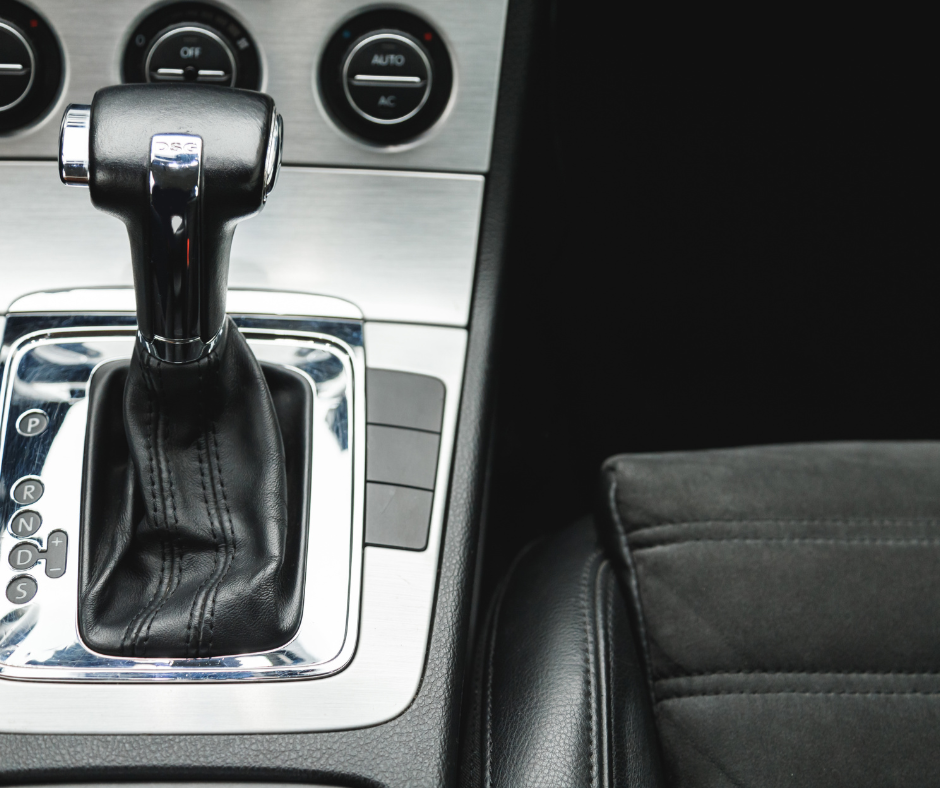
Modern automatic and dual-clutch gearboxes are sophisticated pieces of engineering. They are also governed entirely by software. That software determines when your gearbox shifts, how smoothly it transitions between ratios, how aggressively it responds to throttle input, and how it protects itself under load.
The issue is that manufacturers calibrate this software conservatively, building for a global market and accounting for varying fuel quality and driver habits. In practice, this means your gearbox may shift earlier than it needs to, respond sluggishly, or protect itself more cautiously than your driving actually requires. For drivers of performance vehicles or those who have had their engine remapped, this becomes particularly noticeable. The engine has more to give, but the gearbox is not keeping up.
The Science of Smooth: How Gearbox Software Actually Works
A DSG or automatic gearbox ECU manages shift points, clutch engagement pressures, torque converter lockup, and the speed at which each gear change is executed. All of these are set in software, and all of them affect how the vehicle drives in the real world.
When DSG software calibration is carried out by a genuine specialist, these parameters are reviewed and adjusted to suit your vehicle, your engine output, and how the car is actually used. For daily drivers, this means smoother changes, less hesitation, and a gearbox that feels like it is working with the engine rather than against it.
Signs Your Gearbox Is Crying Out for Attention
For drivers who have already had an engine remap, a mismatch between engine output and gearbox behaviour is common. The engine delivers power in a new way, but the gearbox is still following the original factory logic, producing a drivetrain that feels inconsistent and slower to respond than it should.
For performance car owners, factory settings are often not suited to how the vehicle is actually driven. For high-mileage vehicles, calibration can also help address the gradual degradation in gearbox response that comes with wear, restoring crispness that has been lost over time.
The results of well-executed DSG gearbox tuning go beyond what most drivers expect. Shift quality is the most immediately noticeable change, with faster and cleaner gear changes that feel deliberate rather than hesitant.
For turbocharged diesel and petrol vehicles, improved shift timing keeps the engine in its torque band more effectively, contributing to better real-world fuel consumption on routes you drive every day. Owners of vehicles like the Volkswagen Golf GTI, Audi S3, and SEAT Leon Cupra consistently report that gearbox calibration is among the most transformative upgrades they have made, often more noticeable in everyday driving than the engine remap itself.
The Part Most People Miss Completely
Every gearbox has a built-in torque limit programmed into its software. This limit tells the gearbox the maximum torque it should receive from the engine, and it behaves accordingly. When the engine is remapped and produces more torque than the gearbox expects, the result can be software interventions, erratic behaviour, or reduced gearbox longevity. Gearbox torque limit optimisation updates that limit it to reflect the actual engine output, ensuring both components work from the same information. This step is not optional for remapped vehicles. It is essential and yet one of the most commonly skipped parts of a performance upgrade.
How to Choose the Right Specialist?
Gearbox calibration requires specialist knowledge distinct from general vehicle servicing. A remapper or ECU calibration specialist working on your gearbox needs genuine experience with dual-clutch and automatic transmission software, not just engine management. When choosing a specialist, look for documented experience with the specific gearbox type fitted to your vehicle. Ask about their process for matching gearbox calibration to engine output. A credible specialist will treat the engine and gearbox as a system, not two separate jobs.
Final Thoughts
Your gearbox is not just a supporting act. It is half of the equation that determines how your car feels and performs. Whether you drive a hot hatch, a remapped diesel estate, or a turbocharged daily driver, gearbox calibration makes a real difference to every journey. At MPG Tuning, we approach drivetrain performance as a complete picture. If your gearbox is holding your vehicle back, we can help. Visit our website or call us on 01543 466 662 to speak with a specialist and book your gearbox calibration appointment today.