
Introduction
Has the DPF warning light appeared on your dashboard and you're unsure what your diesel vehicle is trying to tell you? A DPF warning should never be ignored. While it may sometimes indicate that the filter needs an opportunity to complete its regeneration cycle, it can also point towards an underlying issue that requires proper diagnostic investigation.
In this guide, we'll explain what the DPF warning light means, why it appears, the signs that your diesel vehicle may need attention, and how professional DPF solutions can help identify and resolve related faults before they become more serious.
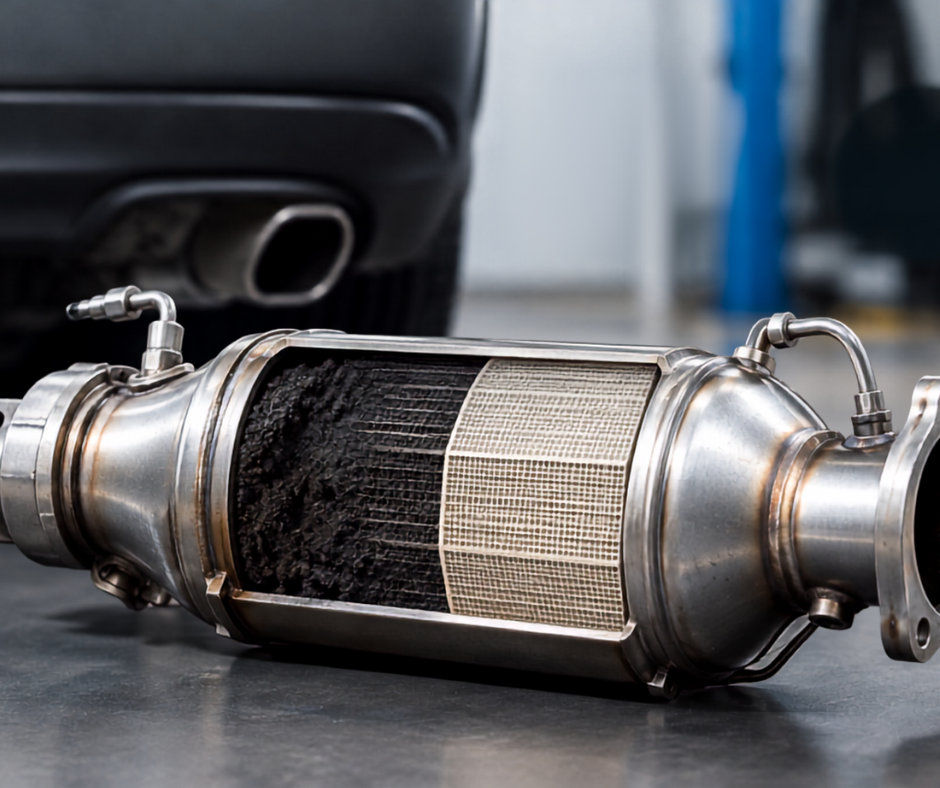
What Is a DPF?
A Diesel Particulate Filter, commonly known as a DPF, is an emissions control component fitted to modern diesel vehicles. Its job is to capture soot and particulate matter from the exhaust gases before they are released into the atmosphere.
Over time, soot naturally accumulates inside the filter. The vehicle is designed to manage this through a process called regeneration, where the accumulated soot is burned off at high temperatures.
A DPF system works alongside other engine and emissions components, including:
- Exhaust temperature sensors
- Pressure sensors
- Engine control software
- Exhaust gas recirculation systems
- Fuel injection systems
- Other emissions monitoring components
When these systems operate correctly, the DPF can continue functioning effectively without requiring constant driver intervention.
Why Does the DPF Warning Light Appear?
The DPF warning light can appear for several reasons. One of the most common is that the vehicle has been unable to complete its normal regeneration process.
This can happen when a diesel vehicle is mainly used for:
- Short journeys
- Low speed driving
- Frequent stop start traffic
- Extended periods of idling
- Urban driving
Regeneration generally requires suitable driving conditions so that exhaust temperatures can become high enough to reduce accumulated soot.
However, the warning light does not always mean that the DPF itself is the problem. Sensor faults, exhaust temperature issues, fuel system problems or other engine management faults can also contribute.
This is why accurate diagnostics are important.
What Is Your Diesel Engine Trying to Tell You?
When the DPF warning light appears, your vehicle may be giving you an early indication that something needs attention.
1. Regeneration May Not Be Completing
If your vehicle regularly makes short journeys, the DPF may struggle to complete its regeneration cycle. Continued driving without addressing the warning can allow soot accumulation to increase.
2. A Sensor Could Be Reporting a Fault
Modern DPF systems rely on sensors to monitor pressure and temperature. If a sensor provides incorrect information, the vehicle may identify a DPF related problem even when the filter itself is not necessarily the root cause.
3. There May Be an Underlying Engine Fault
Problems elsewhere in the engine or emissions system can affect DPF operation. Fault codes and live diagnostic data can help identify whether the issue is isolated to the DPF system or connected to another component.
4. The Vehicle May Need Professional Diagnostics
A warning light is useful information, but it does not provide the complete diagnosis. Professional fault finding can establish what is actually happening rather than relying on assumptions.
Why Should You Act When the DPF Light Appears?
Ignoring a DPF warning may allow a relatively manageable issue to develop into a more complicated and expensive problem.
Protecting Vehicle Performance
A DPF related fault can affect how the vehicle performs. Addressing problems early can help maintain normal engine operation.
Avoiding Unnecessary Repairs
Not every DPF warning means that the filter itself needs replacing. Proper diagnostics can help establish the underlying cause before unnecessary parts are purchased.
Supporting Emissions System Operation
The DPF forms part of the vehicle's emissions system. Keeping its associated components working correctly supports the vehicle's intended emissions control strategy.
Preventing Escalation
A persistent warning can sometimes be accompanied by additional engine management issues or reduced performance. Early investigation gives you a better opportunity to address the cause.
What Are DPF Solutions?
Professional DPF solutions focus on understanding why a DPF related warning has appeared rather than simply treating the warning itself.
A qualified tuning and diagnostics specialist may assess:
- Stored diagnostic fault codes.
- DPF pressure readings.
- Exhaust temperature information.
- Regeneration status.
- Relevant sensor data.
- Engine management parameters.
- Related emissions system faults.
- Whether a reset or further diagnostic action is appropriate.
The exact approach depends on the vehicle, its engine, its software and the diagnostic information available.
The objective is to identify the underlying issue and provide an appropriate solution based on the vehicle's condition.
Can DPF Problems Be Diagnosed Without Replacing the Filter?
In many cases, yes. A DPF warning does not automatically mean that the filter needs replacing. A diagnostic assessment can help determine whether the problem relates to the filter, regeneration process, sensors, pressure readings or another associated system.
This is particularly important because replacing an expensive component without identifying the original cause may not resolve the warning. Professional DPF software solutions can also form part of a wider diagnostic approach where appropriate, helping specialists understand and manage relevant vehicle software and system information.
Frequently Asked Questions
- Can I still drive when the DPF warning light appears?
This depends on the vehicle and the warning displayed. Always refer to the manufacturer's guidance and seek professional diagnostic advice if the warning remains or additional symptoms appear.
- Does a DPF warning always mean the filter is blocked?
No. The warning can be associated with several different faults, including sensor problems, regeneration issues and related engine or emissions system faults.
- Can short journeys cause DPF problems?
Regular short journeys can make it more difficult for some diesel vehicles to complete their regeneration process, potentially contributing to increased soot accumulation.
- What are DPF solutions?
DPF solutions can involve diagnostic assessment, fault finding, appropriate system resets and software related diagnostic work, depending on the vehicle and the underlying problem.
- Do you provide DPF cleaning?
The focus is on diagnostics, fault finding and suitable solutions rather than providing a physical DPF cleaning service.
Professional DPF Diagnostic Solutions
A DPF warning light is your diesel vehicle's way of telling you that something deserves attention. The important thing is not to assume that the filter itself is automatically at fault.
With appropriate diagnostics and fault finding, it is possible to investigate the information being reported by the vehicle and establish a more informed route towards a solution. For drivers searching for DPF solutions Cannock, professional support can provide a clearer understanding of what is happening before unnecessary repairs are considered.
Modern diesel systems can be complex, so accurate information matters.
Need Help With a DPF Warning Light?
If your diesel vehicle is displaying a DPF warning, don't simply ignore it and hope it disappears. Getting the vehicle properly assessed can help identify the cause and determine the most appropriate next step.
Whether you're experiencing a persistent warning, regeneration concerns or another DPF related issue, professional diagnostic support can help you understand what your vehicle is telling you.
Contact MPG Tuning today to discuss your DPF diagnostic requirements and find the right solution for your diesel vehicle.