
Have you noticed your car feeling slower than usual, struggling to accelerate, or behaving differently when you put your foot down? There can be several reasons for a loss of power, and EGR faults are one possibility, particularly in modern diesel vehicles.
The EGR system plays an important role in controlling exhaust emissions by recirculating a controlled amount of exhaust gas back into the engine. When the system develops a fault, it can affect how the engine responds and how smoothly the vehicle drives.
In this blog, you will learn what the EGR system does, how egr valve problems can affect driveability, the warning signs to watch for, and why professional diagnostics and fault finding can help identify the right solution.
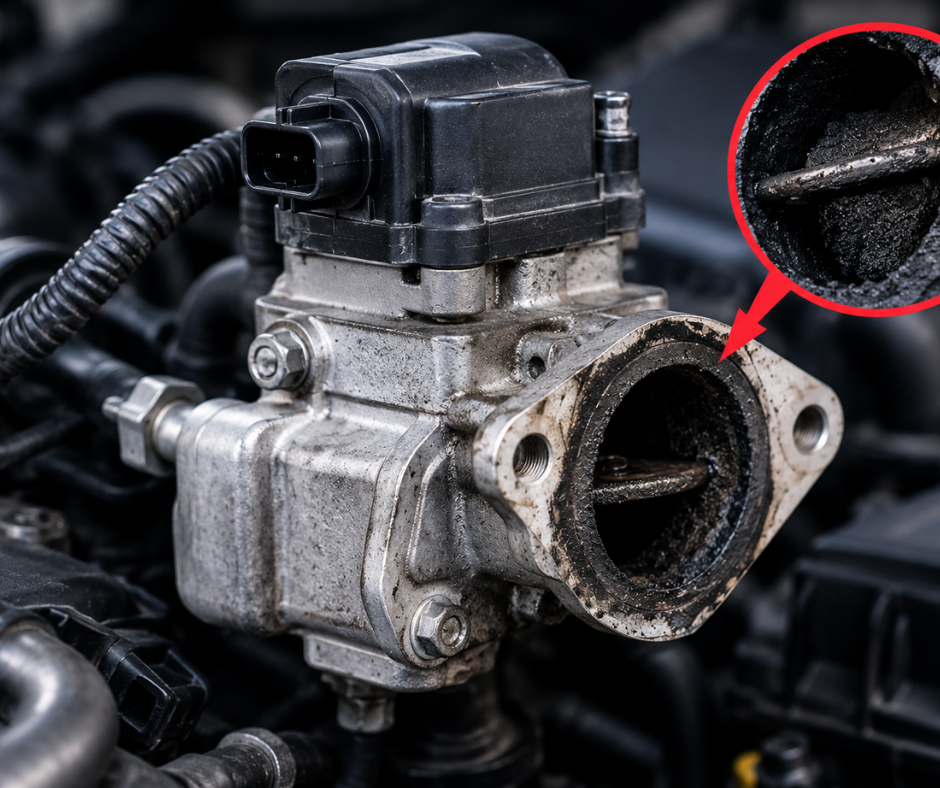
What Is an EGR System?
EGR stands for Exhaust Gas Recirculation. The system is designed to recirculate a controlled amount of exhaust gas back into the engine intake under specific driving conditions. This helps reduce the formation of nitrogen oxide emissions during combustion.EGR systems are commonly found on modern diesel vehicles, although some petrol engines also use EGR technology.
The system can include:
- EGR valve
- EGR cooler
- Sensors
- Vacuum or electronic controls
- Related wiring and communication systems
When these components work correctly, the EGR system operates as part of the vehicle's wider engine management strategy.
Why Do EGR Faults Develop?
Like other vehicle systems, EGR components can develop faults over time.
Common causes can include:
- Electrical faults
- Sensor problems
- Valve operating issues
- Wiring or communication faults
- Carbon and deposit build up
- Problems with associated engine management components
- Normal wear over time
The exact cause can vary considerably between vehicles. This is why replacing a component without first carrying out proper diagnostics may not address the underlying problem.
How Can EGR Faults Affect Driveability?
An EGR fault does not always produce the same symptoms. Depending on the vehicle and the nature of the fault, drivers may notice changes in performance or engine behaviour. Common symptoms can include:
-
Reduced engine response
- Hesitation during acceleration
- Uneven engine operation
- Poor throttle response
- Warning lights
- Increased smoke from the exhaust
- Reduced performance
- Difficulties maintaining consistent acceleration
If your vehicle suddenly feels different, it is worth investigating the cause rather than assuming that the EGR system is automatically responsible.
Signs You May Have EGR Valve Problems
If you are experiencing unusual engine behaviour, several symptoms may point towards egr valve problems.
1. Loss of Power
A noticeable reduction in engine response can be frustrating, particularly when accelerating onto faster roads or overtaking.
2. Hesitation
The vehicle may hesitate or feel inconsistent when you apply the accelerator.
3. Engine Warning Light
An illuminated engine warning light can indicate a fault within the EGR system or another engine management component.
4. Rough Running
Changes in engine operation may become more noticeable at certain speeds or during particular driving conditions.
5. Increased Exhaust Smoke
Unusual exhaust smoke can have several causes, but it may occur alongside certain EGR related faults.
Why Professional EGR Diagnostics Matter
EGR faults can sometimes look similar to problems with other engine management systems. A diagnostic assessment can help identify what is actually happening before any repair decisions are made. Professional fault finding may involve:
Diagnostic Scanning
Vehicle diagnostic equipment can identify stored fault codes and provide useful information about the engine management system.
System Testing
The relevant EGR components and associated systems can be assessed to help establish whether they are operating correctly.
Fault Code Analysis
A fault code is useful information, but it does not always identify the exact failed component. Further testing may be required.
ECU Related Assessment
Modern vehicles rely heavily on electronic engine management. Understanding how the systems communicate can be important when investigating an EGR related concern. The aim is to identify the underlying issue rather than simply treating one symptom.
Can EGR Faults Be Resolved?
The appropriate solution depends on the vehicle, the fault and the condition of the affected components. Some problems may involve sensors, wiring or electronic controls, while others may require further investigation of the EGR system itself.
Professional egr solutions in Cannock services can help establish what is causing the issue and what options are appropriate for the vehicle. For drivers looking for egr repair in Staffordshire, accurate diagnostics and fault finding can provide a clearer understanding of the problem before further work is considered.
Every vehicle is different, so the correct approach should always be based on diagnostic findings rather than assumptions.
Frequently Asked Questions
Can EGR problems cause a loss of power?
Yes. Certain EGR faults can affect engine operation and may contribute to reduced power, hesitation or poor throttle response.
How do I know if my EGR valve is faulty?
Symptoms can include reduced performance, hesitation, warning lights and uneven engine operation. Professional diagnostics can help determine whether the EGR system is responsible.
Are EGR faults only found on diesel vehicles?
No. EGR technology is commonly associated with diesel engines, but some petrol vehicles also use EGR systems.
Can an EGR fault affect fuel consumption?
It can, depending on the nature of the fault and how the engine management system responds. However, increased fuel consumption can have many possible causes.
Should I continue driving with an EGR warning?
If a warning light appears or the vehicle develops noticeable driveability problems, it is sensible to arrange a diagnostic assessment rather than continuing to ignore the issue.
Professional EGR Diagnostics and Fault Finding
If your vehicle is losing power, hesitating or showing an engine warning light, the EGR system could be one of several possible causes.
Professional diagnostics can help identify egr valve problems, investigate related fault codes and establish the appropriate next step.
For drivers across Staffordshire and Cannock, specialist diagnostic support can provide a more informed approach to EGR faults and engine management concerns.
Rather than guessing what is causing the problem, accurate fault finding allows the vehicle to be assessed based on its actual diagnostic information.
Need Help With an EGR Fault?
If your car is losing power, responding differently or displaying an engine warning light, do not ignore the symptoms. The right diagnostic assessment can help identify whether the EGR system is contributing to the problem and what solution is appropriate. Contact MPG Tuning today to discuss your vehicle and arrange professional EGR diagnostics and fault finding.