
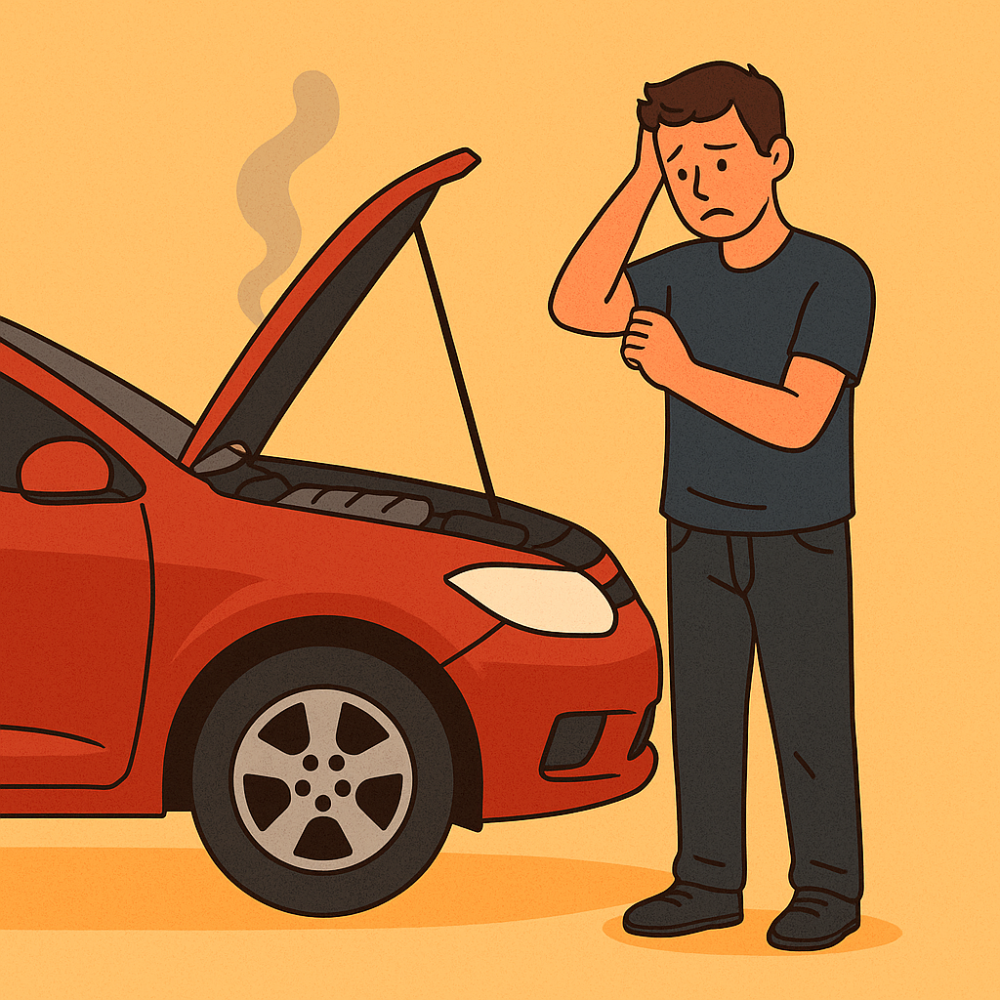
 Top 25 Common Car Problems – And Why You Shouldn’t Ignore Them
Even the most reliable cars develop faults now and then. When they do, it’s tempting to put off getting things checked out – but dealing with problems early can save you a lot of money and hassle later. More importantly, it helps ensure your vehicle remains safe for you and your passengers.
We’ve compiled a list of 25 common problems drivers encounter, especially in newer vehicles. While older cars may face a different range of issues, these are among the most frequent faults to watch for.
Everyday Wear – Inevitable, But Manageable
No matter the brand or how meticulous your maintenance, all cars experience normal wear and tear over time. While some of these issues are minor and quick to fix, others can develop into expensive repairs if ignored. The key is early detection and preventative care.
Let’s explore the most common issues drivers face and how to spot them.
-
Engine Misfires or Sputtering
Smooth engine performance relies on a precise mix of fuel and air. When components in the ignition or fuel system start to fail, your engine may begin to misfire or sputter. Regular servicing helps prevent these faults and keeps your engine running efficiently.
-
Squeaky or Grinding Brakes
If your brakes are making noise or feel spongy, don’t take any chances. Squeaking can be caused by minor wear, but grinding noises usually signal your brake pads are worn down and need immediate attention.
-
Failing Alternator
The alternator charges your battery and powers your car’s electronics. If it starts to go, you may struggle to start the car, or see flickering lights on the dashboard. Addressing alternator issues early avoids getting stranded unexpectedly.
-
Warning Lights on the Dashboard
Your car has hundreds of diagnostic codes, and when one is triggered, a warning light appears. Whether it’s the check engine light or another alert, it’s best to have it diagnosed by a professional as soon as possible.
-
Excessive Oil Consumption
Topping up your oil too often? It might be more than just high mileage. Leaks, poor-quality oil, or worn piston rings could be to blame. Ignoring it risks long-term engine damage.
-
Starter Motor Troubles
A car that won’t start could have a worn-out starter motor. Faults in the motor, solenoid, or electrical system can prevent the engine from turning over. A diagnostic check will pinpoint the issue.
-
Uneven Tyre Wear
Irregular tyre wear can be caused by poor alignment, unbalanced wheels, or suspension issues. If you notice your tyres wearing out faster on one side, get the suspension and tracking checked.
-
Excessive Emissions
A healthy emission system keeps your car efficient and environmentally friendly. If your vehicle starts polluting more or struggles to pass emissions tests, components like the O2 sensor may need replacing.
-
Radiator Leaks
Coolant leaks are often the result of corrosion in the radiator. Left unattended, this can lead to overheating, engine failure, or in extreme cases, fire. Replace corroded components before they escalate into bigger problems.
-
Steering Wheel Vibration
Does your steering wheel shake while driving? It could be a suspension issue, worn bearings, or unbalanced wheels. The cause often depends on whether the vibration occurs at low speeds or on the motorway.
-
Tyre Punctures and Pressure Loss
Tyres wear out over time and can also be punctured by road debris. Regularly check pressure, rotate them every 5,000 miles, and inspect for damage to extend their lifespan.
-
Fuel System Leaks or Evaporation
Fuel tanks are designed to vent safely, but caps and seals can fail. Evaporative leaks are common and may trigger the check engine light. Fortunately, a loose or faulty fuel cap is an easy fix.
-
Sensor Failures
Modern cars rely on sensors to monitor almost everything. From airflow to temperature, these devices can fail – and some, like oxygen sensors, can cost hundreds to replace. Regular diagnostics can help spot failing sensors before they cause performance issues.
-
Worn Brake Pads
Brake pads naturally degrade over time, but they’re vital for stopping safely. If yours are getting thin – or worse, metal-on-metal – it’s time to replace them. Delaying the fix could damage rotors and increase costs.
-
Leaking Windscreens
Tiny chips can turn into cracks with changes in temperature or pressure. Some vehicles are also more prone to screen faults due to manufacturing weaknesses. Don’t ignore small cracks – they can compromise the windscreen’s integrity.
-
Battery Issues
Car batteries can degrade with age or be affected by alternator faults. If your battery dies frequently or struggles in cold weather, have it tested and replaced if necessary.
-
Poor Fuel Economy
If you notice your car guzzling more fuel than usual, it could be caused by sensor issues, clogged air filters, low tyre pressure, or even dragging brakes. Identifying the root cause early can improve your MPG significantly.
-
Transmission Slipping or Delays
Gear changes that feel jerky or delayed can signal transmission trouble. This might be due to low transmission fluid, software issues, or internal wear. Ignoring it can lead to complete failure – and an expensive bill.
-
Rough Idling
A rough or uneven idle might point to problems with the spark plugs, fuel injectors, or even engine mounts. It’s not always urgent, but it should be diagnosed and corrected to avoid further wear.
-
Overheating
An overheating engine can be a sign of a cooling system failure. This might be a stuck thermostat, a failing water pump, or a clogged radiator. Continued overheating can cause serious engine damage.
-
Noisy Exhaust
If your car sounds louder than usual, the exhaust system might be damaged. Rust, loose joints, or holes can all contribute. Aside from the noise, it can also affect emissions and performance.
-
Sluggish Acceleration
Loss of power when accelerating can be due to clogged air filters, fuel delivery problems, or sensor malfunctions. If the car hesitates, it’s time for a diagnostic check.
-
Stiff or Unresponsive Steering
Heavy steering can indicate a failing power steering pump, low fluid, or belt issues. It’s both uncomfortable and unsafe, so don’t delay in getting it fixed.
-
Water Leaks Inside the Cabin
Wet carpets or foggy windows could mean your car has a leaking door or windscreen seal, or a blocked drain. These can lead to mould and electrical issues if ignored.
-
Faulty Lights or Electrical Glitches
From flickering headlights to dodgy window switches, electrical problems are often caused by worn relays, blown fuses, or corroded wiring. These can often be fixed cheaply – if caught early.
Stay Proactive, Stay Safe
Car problems rarely fix themselves. While some issues are unavoidable, staying on top of maintenance and reacting quickly to early warning signs can prevent small faults from becoming serious headaches. Regular inspections by a qualified professional are the best investment you can make in your vehicle’s long-term health.
MPG Tuning Ltd - IMI Certified Tuning Specialist
Unit 44 Rumerhill Business Estate
Cannock, Staffordshire, WS11 0ET
www.mpgtuning.co.uk
www.remappingstaffordshire.co.uk
mpgtuning@mail.com
Tel: 01543 466662
Mob: 07789 266194
MPG Tuning Offer Professional ECU Remap and Tuning services including but not limited to ECU Remapping, EGR Solutions, DPF Solutions, VAG Emissions Recall Scandal Rollback, Tricore Processor Programming, Boot Mode, and Traditional Chip Tuning.
 MPG Tuning is based in Cannock Staffordshire but serves customers from further afield typically from the following areas, Lichfield, Burntwood, Rugeley, Stafford, Brownhills, Walsall, Wolverhampton, Birmingham, Tamworth plus many more areas throughout the West and East Midlands.
© Copyright MPG Tuning 2018 – Monitored by OC-RiS